
How to Help Your Wedding Videographer Get the Best Footage
Six practical things you can do on your wedding day to help your filmmaker get better footage - from timeline gaps to natural light to a short list of faces.
Six practical things you can do on your wedding day to help your filmmaker get better footage - from timeline gaps to natural light to a short list of faces.
Multi-day and fully tailored collections available for larger weddings. The brochure sets out every collection, what's included, and how booking works.
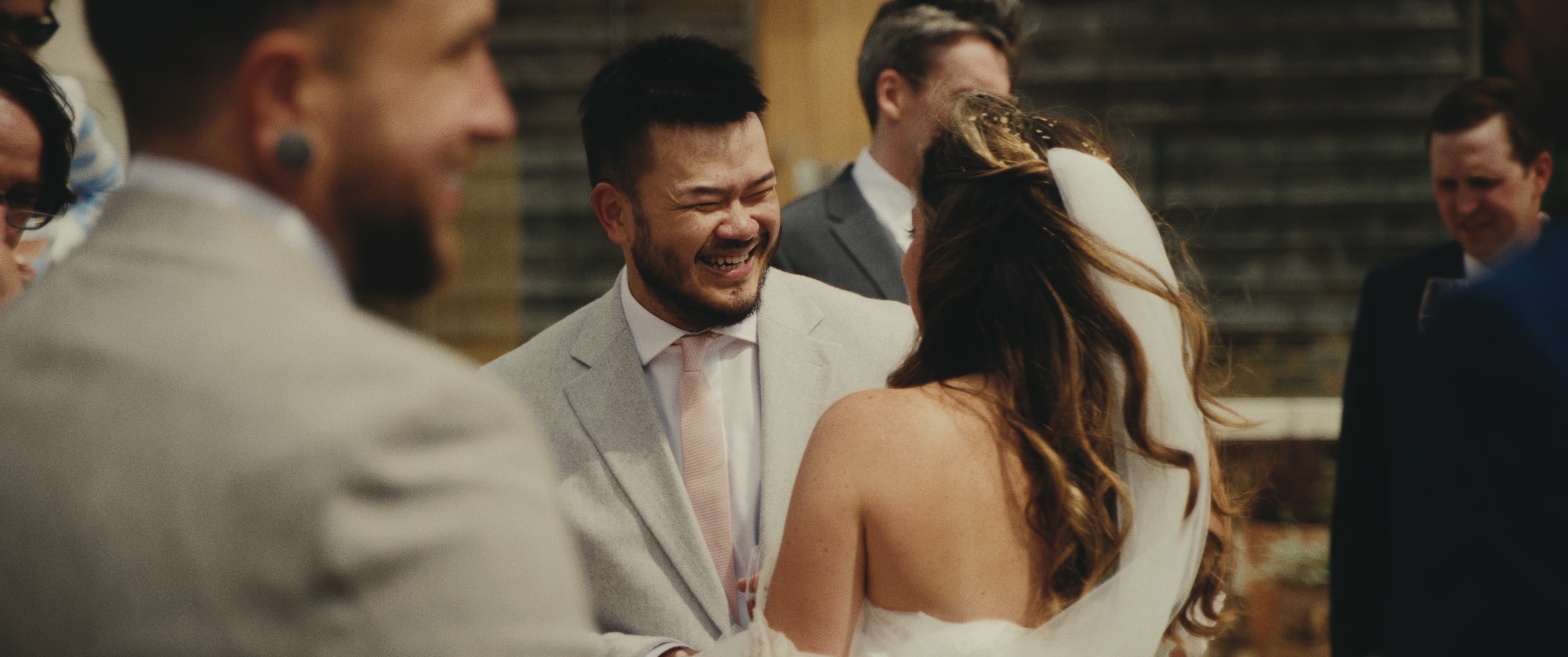
The main things: build a few gaps into your timeline, choose a bright room for getting ready, take five minutes alone after the ceremony, and give your filmmaker a short list of key guests with descriptions or photos. Beyond that, just be yourselves.
Anything that matters to you - key people, important moments, family dynamics worth knowing about. A pre-wedding call or questionnaire is standard with most filmmakers. Use it. The more your filmmaker understands about your day, the better the film.
No. Your filmmaker will handle music licensing separately. Commercial songs can't be used due to licensing restrictions, but professional filmmakers source music that's chosen to fit the emotion and pace of your specific day.
Most filmmakers cover 10-12 hours, from getting ready through to the first dance or evening reception. The key is not how many hours, but how those hours are structured. A timeline with short gaps between key moments will always produce a better film than a tightly packed schedule with more total hours.
They don't need to be best mates, but it helps if they're aware of each other. Let both know who the other is before the day. Good filmmakers and photographers stay out of each other's frames instinctively - but a quick introduction on the morning avoids any awkwardness and means the ceremony and portraits run smoothly for both.
Send your date, venue, and the collection you're leaning towards. If you're not sure, just outline your plans and I'll suggest the right approach. I'll come back to you personally within 24 hours.