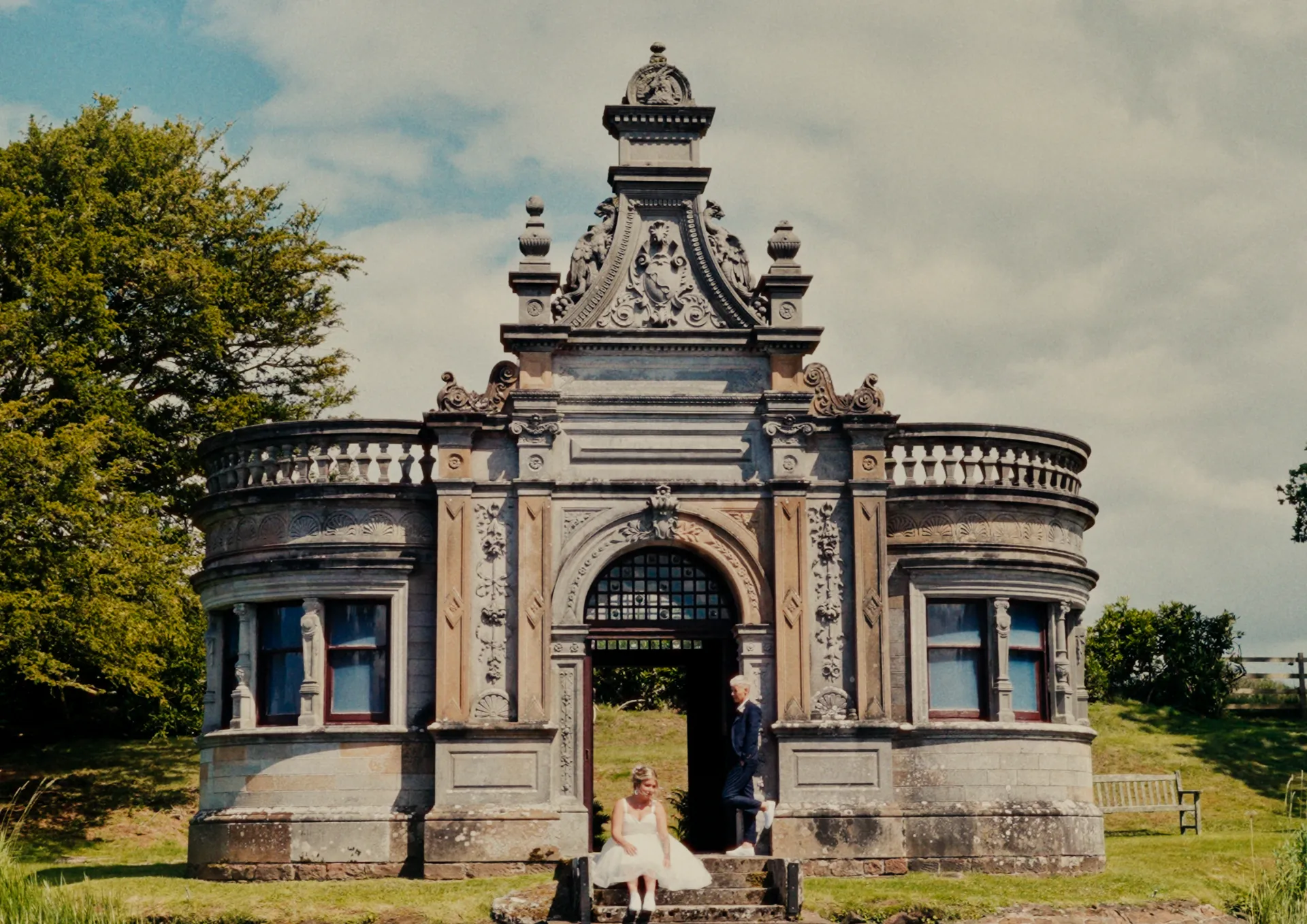
Christopher Oxley. Wedding cinematographer.
Most couples have never booked a wedding film before.
Here's what you're actually paying for, in the order you'll live it.
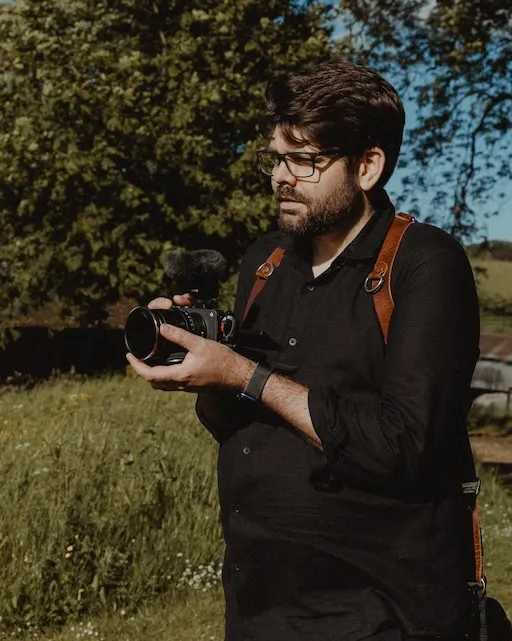
Who you're dealing with
You deal with me from first enquiry to final delivery.
Chris Oxley. Based in Bedford, filming weddings in London and across the UK. I'm at every wedding unless we've agreed otherwise, and I'm the one you'll speak to at every stage.
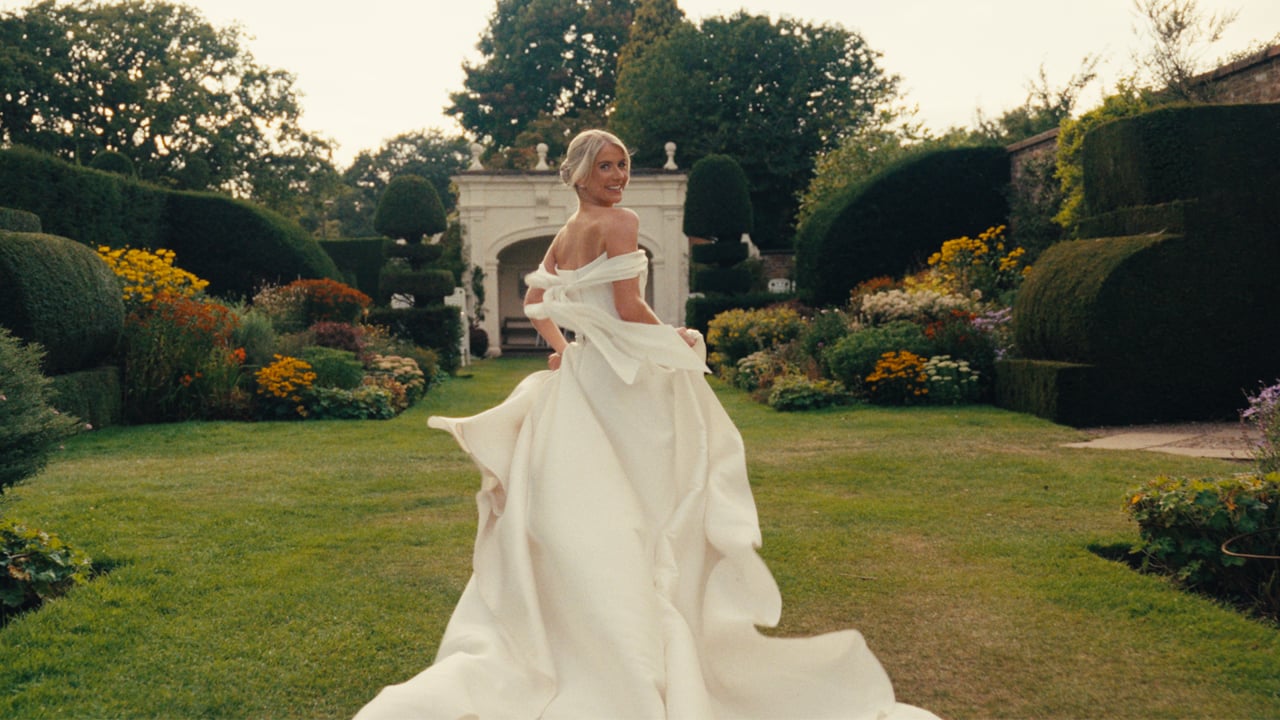
Still from a wedding film
1. Before the day
By the time I arrive, I'm not a stranger.
We talk before you book. Not a form, a proper call, with both of you. Then a questionnaire a few weeks out and a catch-up the week of. I turn up knowing who your parents are, who's speaking, and what to leave alone.
"He took the time to truly understand us as a couple, to find out what we wanted."
Laura, Google review
The longer version
The call usually runs 45 minutes or more. I want to know how you met, what you're nervous about, who matters on the day, and what you want from the film. It's also a fit check, both ways.
The questionnaire covers timings, names, who's speaking, which family members I should know on sight, and anything I should keep out of the film. The week of the wedding we go through the day as it now stands, because it will have changed.
If you're marrying in a church, I'll have written to the vicar before the day to check what's allowed and ask about a discreet mic. You won't have to.

Noticed, not staged
2. On the day
Mostly observing. Active when it counts.
I film what happens. If I see a moment worth making, I'll suggest it, and it takes two minutes. I've usually never met your photographer before the morning. By the afternoon your guests will assume we always work together.
Most couples tell me they're not comfortable on camera. I won't make you act. If something needs a bit of direction, I'll give it quietly. The rest of the day, I'm close by and easy to be around.
Watch Joe and Anna. Nothing in it was staged."He worked so hard to tie in with our photographer."
Andy, Google review
The longer version
No shot list. No staging the day. If I see a bit of light, a quiet corridor, a walk worth filming, I'll say so. It's always footage you'll be glad we got.
Your photographer and I share light, share moments, and stay out of each other's frames. Where our needs clash, there's always a way round it that costs you nothing.
The ceremony and speeches are filmed on several cameras with proper audio on the people speaking. Those are the two parts of the day you can't redo, and the two parts you'll watch most.
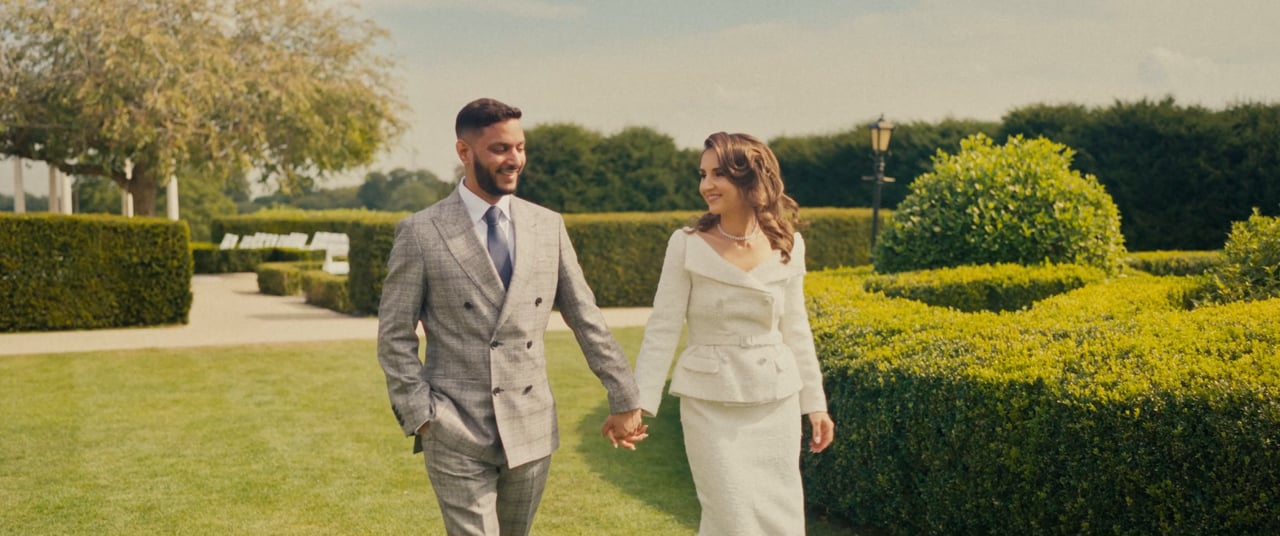 Out of cameraGraded
Drag to compare
3. The edit
Built from what was said. Not from a song.
Most wedding films are a montage with music over it. Mine are built from the vows and the speeches. The music brings back the room; it doesn't borrow feeling from a pop song. And every film is graded with the tools used to finish feature films.
"He didn't just document our wedding; he crafted a visual narrative that feels deeply personal to us."
Charlie, Google review
The longer version
The vows, the speeches, and the quiet things people say to each other when they think no one's listening are the spine of the film. The pictures follow it.
The easy way to make a film feel emotional is to put a popular song underneath. I don't. The music is chosen to bring back the atmosphere of your day, not to borrow feeling from someone else's.
The grade uses a film emulation that gives the footage real texture rather than a digital sheen. You may not be able to say why it looks different. You'll notice that it does.
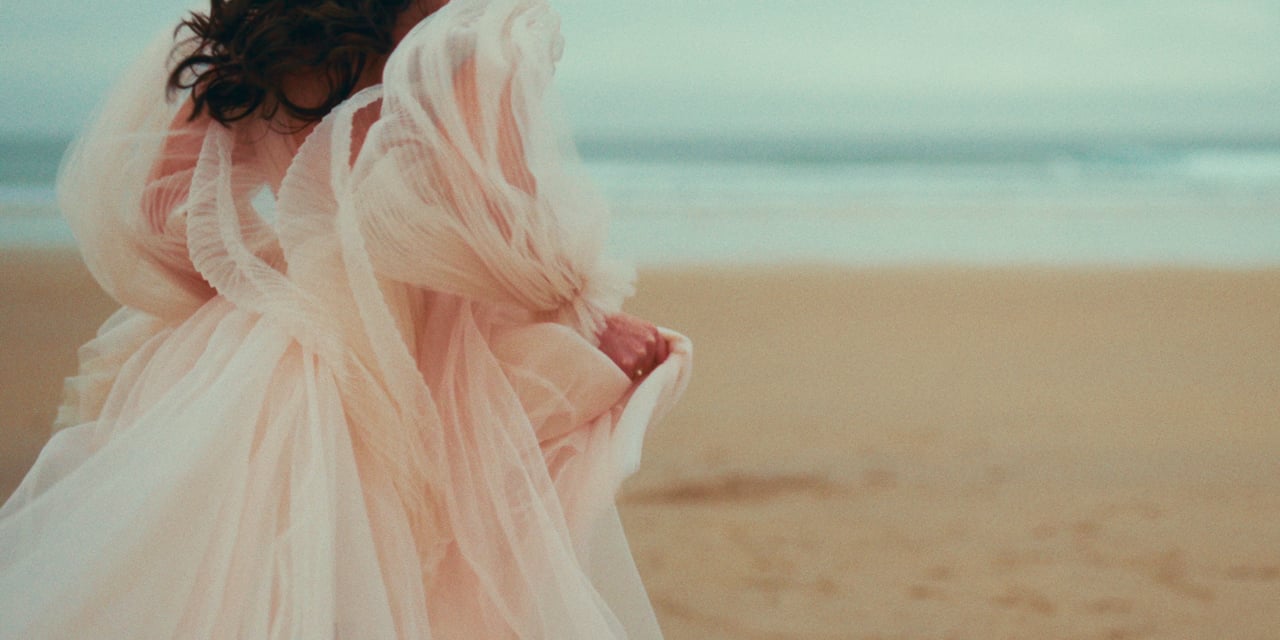
One take. No second chances.
4. The part you'll never hear about
Nothing is lost between your wedding and your film.
There's no second take at a wedding, so I don't rely on one of anything.
Both recording at the same time
Three copies, two places, one off site, until delivery
Venues can pull the documents from this site
The longer version
Several cameras cover the moments that matter. On the night, everything is copied with software that verifies every file, and backed up again before I sleep. Three copies, in two places, one of them off site, until your films are delivered.
You will never hear about any of this again. That's the point.
The finished film
5. After the day
You can see exactly where your film is in the queue.
Once the wedding's filmed, there's a page that shows the current delivery time and where yours sits in the queue. Check it whenever you like. You'll never have to chase.
The films arrive online in full quality. Download them, keep your own copies, and share them with whoever you like. Then we're done, until a friend of yours gets engaged.
Availability
A limited number of weddings a year.
Enough to give each one this much attention. The couples I work best with trust me enough to say yes. If that sounds like you and your date's free, I'd like to talk.